Zombie
Moderator
 Din: Ember
Inregistrat: acum 15 ani
Postari: 1263
|
|
Chiar ca.
Imi pare rau ca e in engleza, dar nu am gasit si in romana  . .
Ciocolată ( i / ˈ tʃ ɒ k l ɨ t / or / ˈ tʃ ɒ k əl ɨ t / ) is a raw or processed food produced from the seed of the tropical Theobroma cacao tree. I / tʃ ɒ K L ɨ t / sau / tʃ ɒ k əl ɨ t / ) este un aliment brute sau prelucrate, obţinute din seminţe de tropical Theobroma cacao copac. Cacao has been cultivated for at least three millennia in Mexico , Central and South America, with its earliest documented use around 1100 BC. Cacao a fost cultivata de cel puţin trei milenii în Mexic , America Centrala si de Sud, cu cea mai rapidă utilizare documentate în jurul valorii de 1100 î.Hr.. The majority of the Mesoamerican people made chocolate beverages, including the Aztecs , who made it into a beverage known as xocolātl ( /ʃo.ko.laːtɬ/ ), a Nahuatl word meaning "bitter water". Majoritatea mesoamericane poporului făcut băuturi ciocolată, inclusiv azteci , care a făcut într-o băutură cunoscută sub numele de xocolātl (/ ʃo.ko.la tɬ ː /), un Nahuatl cuvânt care înseamnă "apă amară". The seeds of the cacao tree have an intense bitter taste, and must be fermented to develop the flavor. Seminţelor de arborelui de cacao au un intens amar gust, şi trebuie să fie fermentate pentru a dezvolta aroma.
After fermentation, the beans are dried, then cleaned, and then roasted, and the shell is removed to produce cacao nibs. Dupa fermentare, boabele sunt uscate, apoi curăţate, şi apoi prăjită, iar shell-ul este scos pentru a produce cacao boieri mari. The nibs are then ground to cocoa mass , pure chocolate in rough form. ONE sunt apoi la sol la masă de cacao , ciocolată pură în formă brută. Because this cocoa mass usually is liquefied then molded with or without other ingredients, it is called chocolate liquor . Deoarece această masă de cacao, de obicei, este lichefiat apoi turnate cu sau fără alte ingrediente, se numeste lichior de ciocolata . The liquor also may be processed into two components: cocoa solids and cocoa butter . Lichior, de asemenea, pot fi transformate în două componente: solide de cacao şi unt de cacao . Unsweetened baking chocolate (bitter chocolate) contains primarily cocoa solids and cocoa butter in varying proportions. Neîndulcit ciocolata de copt (ciocolata amara) conţine solide în principal de cacao şi unt de cacao, în proporţii diferite. Much of the chocolate consumed today is in the form of sweet chocolate , combining cocoa solids, cocoa butter or other fat, and sugar. Milk chocolate is sweet chocolate that additionally contains milk powder or condensed milk. White chocolate contains cocoa butter, sugar, and milk but no cocoa solids. O mare parte din ciocolată consumată astăzi este în formă de ciocolată dulce , combinând solide de cacao, unt de cacao sau grăsime alte, şi zahăr. Ciocolată cu lapte este ciocolata dulce care conţine în plus, laptele praf sau lapte condensat. ciocolata albă conţine unt de cacao, zahăr, şi lactate, dar nu cacao în substanţă solidă.
Cocoa solids contain alkaloids such as theobromine and phenethylamine , which have physiological effects on the body. Substanţă uscată de cacao contin alcaloizi , cum ar fi teobromina si phenethylamine , care au efecte fiziologice asupra organismului. It has been linked to serotonin levels in the brain . Acesta a fost legata de serotonina nivelurile în creier . Some research found that chocolate, eaten in moderation, can lower blood pressure. [ 1 ] The presence of theobromine renders chocolate toxic to some animals, [ 2 ] especially dogs and cats. Unele de cercetare a constatat că ciocolata, consumate cu moderatie, poate scădea tensiunea arterială. [1] Prezenţa teobromină face ciocolată toxice pentru unele animale, [2], în special câini şi pisici.
Chocolate has become one of the most popular food types and flavors in the world. Ciocolata a devenit una dintre cele mai populare tipuri de produse alimentare si arome din lume. Gifts of chocolate molded into different shapes have become traditional on certain holidays: chocolate bunnies and eggs are popular on Easter , chocolate coins on Hanukkah , Santa Claus and other holiday symbols on Christmas , and chocolate hearts or chocolate in heart-shaped boxes on Valentine's Day . Cadouri de ciocolata turnate în forme diferite au devenit tradiţionale la anumite sărbători: iepuraşi de ciocolată şi ouă sunt populare pe Paşte , monedele de ciocolata pe Hanukkah , Moş Crăciun şi alte simboluri de vacanţă pe Crăciun , şi ciocolată inimile sau ciocolată în formă de inimă Dulapuri pentru Ziua Îndrăgostiţilor . Chocolate is also used in cold and hot beverages, to produce chocolate milk and hot chocolate . Ciocolata este, de asemenea, utilizat în băuturi reci şi calde, pentru a produce ciocolată cu lapte şi ciocolată caldă . Around three quarters of the world's cacao bean production takes place in West Africa . Aproximativ trei sferturi din lume de producţie de fasole boabe de cacao are loc în Africa de Vest .
Etimologie The word "chocolate" entered the English language from Spanish . [ 3 ] How the word came into Spanish is less certain, and there are multiple competing explanations. Cuvântul "ciocolată" a intrat în limba engleză din spaniolă . [3] Cum cuvântul a intrat în limba spaniolă este mai puţin sigur, şi există mai multe explicaţii concurente. Perhaps the most cited explanation is that "chocolate" comes from Nahuatl , the language of the Aztecs , from the word "chocolātl", which many sources derived from the Nahuatl word "xocolātl" ( /ʃo.ko.laːtɬ/ ) made up from the words "xococ" meaning sour or bitter , and "ātl" meaning water or drink. [ 3 ] However, as William Bright noted [ 4 ] the word "chocolatl" does not occur in central Mexican colonial sources, making this an unlikely derivation. Santamaria [ 5 ] gives a derivation from the Yucatec Maya word "chokol" meaning hot, and the Nahuatl "atl" meaning water. Poate că explicaţia cea mai citat este că "ciocolata" vine de la Nahuatl , limba de azteci , de la cuvântul "chocolātl", care mai multe surse derivat din cuvantul Nahuatl "xocolātl" (/ ʃo.ko.la tɬ ː /), confecţionate din cuvintele "xococ" însemnând acru sau amar , şi "ATL", care înseamnă apă sau băuturi. [3] Cu toate acestea, astfel cum William Bright menţionat [4], cuvântul "chocolatl" nu apare în centrul Mexicului colonial surse, efectuarea acestei o derivare puţin probabil ca . Santamaria [5] oferă o derivare de la Maya Yucatec cuvântul "chokol", adică la cald, şi Nahuatl "ATL" care înseamnă apă. More recently, Dakin and Wichmann derive it from another Nahuatl term, "chicolatl" from eastern Nahuatl, meaning "beaten drink". [ 6 ] They derive this term from the word for the frothing stick, "chicoli". Mai recent, Dakin şi Wichmann -l provin din Nahuatl un alt termen, "chicolatl" din estul Nahuatl, însemnând "băutură bătuţi". [6] Acestea provin de la acest termen cuvântul pentru spumarea stick, "chicoli".
History Istorie
A Mayan chief forbids a person to touch a jar of chocolate Un şef Mayan interzice unei persoane să atingă un borcan de ciocolată See also: History of chocolate Vezi de asemenea şi: Istoria de ciocolată
Theobroma cacao , native to Mexico, Central and South America, has been cultivated for at least three millennia in that region. Theobroma cacao , originar din Mexic, America Centrală şi de Sud, a fost cultivata pentru cel puţin trei milenii în această regiune. Cocoa mass was used originally in Mesoamerica both as a beverage and as an ingredient in foods. Masă de cacao a fost folosit iniţial în Mezoamerica, atât ca o băutură şi ca ingredient în produsele alimentare.
Chocolate has been used as a drink for nearly all of its history. Ciocolata a fost folosit ca o băutură pentru aproape toate din istoria ei. The earliest record of using chocolate dates back before the Olmec . Cea mai veche inregistrare a folosi ciocolată datează înainte de olmecii . In November 2007, archaeologists reported finding evidence of the oldest known cultivation and use of cacao at a site in Puerto Escondido, Honduras , dating from about 1100 to 1400 BC. [ 7 ] The residues found and the kind of vessel they were found in indicate the initial use of cacao was not simply as a beverage, but the white pulp around the cacao beans was likely used as a source of fermentable sugars for an alcoholic drink. [ 7 ] The Maya civilization grew cacao trees in their backyards, [ 8 ] and used the cacao seeds it produced to make a frothy, bitter drink. [ 9 ] Documents in Maya hieroglyphs stated chocolate was used for ceremonial purposes, in addition to everyday life. [ 10 ] The chocolate residue found in an early ancient Maya pot in Río Azul, Guatemala , suggests the Maya were drinking chocolate around 400 AD. În noiembrie 2007, arheologii au raportat dovezi constatarea dintre cele mai vechi cunoscute cultivare şi utilizarea de cacao la un loc în Puerto Escondido, Honduras , datând de la aproximativ 1100-1400 î.Hr.. [7] reziduuri găsit şi tipul de nave au fost gasite in indică utilizarea iniţială de cacao nu a fost pur şi simplu ca o băutură, dar pulpa albă în jurul valorii de boabele de cacao a fost probabil folosit ca o sursă de zaharuri fermentabile pentru o băutură alcoolică. [7] civilizatia Maya a crescut arbori de cacao in curtile lor, [8] si folosite seminţe de cacao este produs pentru a face o bautura spumoasa, amar. [9] Documentele în Maya hieroglife a declarat ciocolata a fost folosită în scopuri ceremoniale, în plus faţă de viaţa de zi cu zi. [10] de reziduuri de ciocolată găsit într-o timpurie vechi Maya în oală Río Azul, Guatemala , sugerează Maya s-au baut de ciocolată în jurul valorii de 400 d. Hr.. In the New World , chocolate was consumed in a bitter, spicy drink called xocoatl , and was often flavored with vanilla , chili pepper , and achiote (known today as annatto ). [ 11 ] Xocoatl was believed to fight fatigue, a belief that is probably attributable to the theobromine content. In Lumea Noua , ciocolata a fost consumată într-un băutură amar, picant numit xocoatl, şi a fost adesea aromat cu vanilie , ardei iute , şi achiote (cunoscută astăzi ca annatto ). [11] Xocoatl credea că pentru a lupta oboseala, o credinţă care este probabil imputabile teobromină de conţinut. Chocolate was also an important luxury good throughout pre-Columbian Mesoamerica, and cacao beans were often used as currency . [ 12 ] For example, the Aztecs used a system in which one turkey cost one hundred cacao beans and one fresh avocado was worth three beans. [ 13 ] South American and European cultures have used cocoa to treat diarrhea for hundreds of years. [ 14 ] All of the areas ruled by the Aztecs were ordered to pay a tax , leading those that grew the beans to offer cacao seeds as tribute. [ 15 ] Ciocolata a fost, de asemenea, un lux important bun pe parcursul pre-columbiene Mezoamerica, şi boabele de cacao au fost deseori folosite ca monedă . [12] De exemplu, aztecii foloseau un sistem în care un cost cu o schimbare de curcan sută boabele de cacao şi una proaspătă avocado a fost în valoare de trei fasole . [13] din America de Sud şi a culturilor europene s-au folosit de cacao pentru a trata diareea de sute de ani. [14] Toate zonele condus de azteci au fost dispus să plătească un impozit , de conducere a celor care au crescut boabe de a oferi seminţe de cacao ca tribut . [15]
Until the 16th century, no European had ever heard of the popular drink from the Central and South American peoples. [ 16 ] It was not until the Spanish conquest of the Aztecs that chocolate could be imported to Europe. Până în secolul al 16-lea, nici un european nu a avut niciodată auzit de băutură populară din Europa Centrală şi de popoarele din America de Sud. [16] Nu a fost până la cucerirea spaniolă a azteci ca ciocolata ar putea fi importate în Europa. In Spain, it quickly became a court favorite. În Spania, ea a devenit rapid un favorit instanţă. In a century it had spread and become popular throughout the European continent. [ 16 ] To keep up with the high demand for this new drink, Spanish armies began enslaving Mesoamericans to produce cacao. [ 17 ] Even with cacao harvesting becoming a regular business, only royalty and the well-connected could afford to drink this expensive import. [ 18 ] Before long, the Spanish began growing cacao beans on plantations, and using an African workforce to help manage them. [ 19 ] The situation was different in England. Într-un secol sa extins şi a devenit popular pe întregul continent european. [16] Pentru a ţine pasul cu cererea mare pentru această băutură nouă, armatele spaniolă a început să producă înrobitoare Mesoamericans cacao. [17] Chiar şi cu o recoltare de cacao a deveni o afacere regulat, redevenţe şi numai bine conectat şi puteau permite să bea acest import scumpe. [18] Înainte de mult timp, spaniolă a început în creştere boabele de cacao pe plantaţii, şi folosind o forţă de muncă din Africa pentru a ajuta la a le gestiona. [19] Situaţia a fost diferită în Anglia. Put simply, anyone with money could buy it. [ 20 ] The first chocolate house opened in London in 1657. [ 20 ] In 1689, noted physician and collector Hans Sloane developed a milk chocolate drink in Jamaica which was initially used by apothecaries , but later sold to the Cadbury brothers in 1897. [ 21 ] Pune pur şi simplu, cineva cu bani ar putea să cumpere. [20] Casa de ciocolata a fost deschis în Londra în 1657. [20] In 1689, a remarcat medic şi colector Hans Sloane a dezvoltat o băutură de ciocolată cu lapte în Jamaica , care a fost iniţial folosită de către apothecaries , dar ulterior vândute către Cadbury fraţi în 1897. [21]
Chocolate in its solid form was invented in 1847. Joseph Fry and Son discovered a way to mix some of the cocoa butter back into the Dutched chocolate, and added sugar, creating a paste that could be moulded. De ciocolata in forma sa solida a fost inventat în 1847. Joseph Fry şi Fiul descoperit o modalitate de a se amesteca o parte din unt de cacao înapoi în Dutched ciocolată, şi a adăugat zahăr, creând o pastă care ar putea fi modelat. The result was the first modern chocolate bar. Rezultatul a fost primul bar de ciocolată moderne.
For hundreds of years, the chocolate-making process remained unchanged. De sute de ani, procesul de luare a ciocolată au rămas neschimbate. When the Industrial Revolution arrived, many changes occurred that brought about the food today in its modern form. În cazul în care Revoluţia Industrială a sosit, au avut loc multe schimbări care a adus cu privire la produsele alimentare de astăzi, în forma sa modernă. A Dutch family's ( van Houten ) inventions made mass production of shiny, tasty chocolate bars and related products possible. O familie olandez ( van Houten ) inventiile realizate de producţie în masă de bare lucios, ciocolată gustoase şi produse conexe posibil. In the 18th century, mechanical mills were created that squeezed out cocoa butter, which in turn helped to create hard, durable chocolate. [ 22 ] But, it was not until the arrival of the Industrial Revolution that these mills were put to bigger use. În secolul al 18-lea, mori mecanice au fost create ca stoarse din unt de cacao, care, la rândul său, a contribuit la crearea ciocolată greu, durabil. [22] Dar, nu a fost până la sosirea de la Revoluţia Industrială că aceste mori au fost puse de a utiliza mai mari. Not long after the revolution cooled down, companies began advertising this new invention to sell many of the chocolate treats we see today. [ 23 ] When new machines were produced, people began experiencing and consuming chocolate worldwide. [ 24 ] Nu la mult timp după revoluţie răcit, companiile au început de publicitate aceasta noua inventie de a vinde multe dintre ciocolată tratează care le vedem azi. [23] Atunci când maşini noi au fost produse, oamenii au început să se confruntă cu ciocolată şi consumatoare de toată lumea. [24]
Types Tipuri de Main article: Types of chocolate Articol principal: Tipuri de ciocolată
A piece of milk chocolate with salmiak filling by Fazer O bucată de ciocolată cu lapte cu salmiak de umplere de Fazer Several types of chocolate can be distinguished. Mai multe tipuri de ciocolata pot fi distinse. Pure, unsweetened chocolate contains primarily cocoa solids and cocoa butter in varying proportions. Ciocolată pură, neindulcita conţine solide în principal de cacao şi unt de cacao, în proporţii diferite. Much of the chocolate consumed today is in the form of sweet chocolate , combining chocolate with sugar. O mare parte din ciocolată consumată astăzi este în formă de ciocolată dulce , combinând ciocolata cu zahăr. Milk chocolate is sweet chocolate that additionally contains milk powder or condensed milk. Ciocolată cu lapte este ciocolata dulce care conţine în plus, laptele praf sau lapte condensat. European rules specify a minimum of 25% total dry cocoa solids for milk chocolate. [ 25 ] "White chocolate" contains cocoa butter, sugar, and milk, but no cocoa solids. Normelor europene specifica un minim de 25% substanţă uscată totală de cacao uscată pentru ciocolata cu lapte. [25] "ciocolată albă" conţine unt de cacao, zahăr, şi lapte, dar nu cacao în substanţă solidă. Chocolate contains alkaloids such as theobromine and phenethylamine , which have some physiological effects in humans, but the presence of theobromine renders it toxic to some animals, such as dogs and cats. [ 2 ] It has been linked to serotonin levels in the brain. Dark chocolate has been promoted [ who? ] for unproven health benefits, as it seems to possess substantial amount of antioxidants that reduce the formation of free radicals . Ciocolata contine alcaloizi , cum ar fi teobromina si phenethylamine , care au unele efecte fiziologice la om, dar prezenţa teobromină îl face toxice pentru unele animale, cum ar fi câini şi pisici. [2] Aceasta a fost legată de nivelul de serotonina din creier. Dark ciocolata a fost promovată [ cine? ] pentru nedovedite beneficii pentru sanatate, cum pare să posede sumă substanţială de antioxidanti care reduc formarea radicalilor liberi .
White chocolate is formed from a mixture of sugar, cocoa butter and milk solids. Ciocolata albă este format dintr-un amestec de unt de cacao zahăr, lapte şi solide. Although its texture is similar to milk and dark chocolate, it does not contain any cocoa solids. Desi textura sa este similară cu lapte si ciocolata neagra, nu conţine nici o substanţă solidă de cacao. Because of this, many countries do not consider white chocolate as chocolate at all. [ 26 ] Although first introduced by Hebert Candies in 1955, Mars, Incorporated was the first to produce white chocolate within the United States. Din aceasta cauza, multe ţări nu consideră ciocolată albă ca ciocolata, la toate. [26] Deşi introdus pentru prima dată de către Bomboane Hebert în 1955, Mars, Incorporated a fost primul pentru a produce ciocolata albă în Statele Unite. Because it does not contain any cocoa solids, white chocolate does not contain any theobromine, meaning it can be consumed by animals. Pentru că nu conţine nici o substanţă solidă de cacao, ciocolată albă nu conţine nicio teobromină, ceea ce înseamnă că poate fi consumat de către animale.
Dark chocolate is produced by adding fat and sugar to the cacao mixture. Ciocolata neagra este produs prin adăugarea de grăsimi şi zahăr pentru amestecul de cacao. The US Food and Drug Administration calls this "sweet chocolate", and requires a 15% concentration of chocolate liquor. US Food and Drug Administration solicită acest lucru "ciocolata dulce", şi necesită o concentraţie de 15% din lichior de ciocolată. European rules specify a minimum of 35% cocoa solids. [ 25 ] Dark chocolate, with its high cocoa content, is a rich source of epicatechin and gallic acid , which are thought to possess cardioprotective properties. Normelor europene specifica un minim de cacao în substanţă solidă de 35%. [25] ciocolata neagra, cu un conţinut ridicat de cacao, este o sursa bogata de epicatechina şi acid galic , care sunt considerate a avea proprietăţi cardioprotectoare. Dark chocolate has also been said to reduce the possibility of a heart attack when consumed regularly in small amounts. [ 27 ] Semisweet chocolate is a dark chocolate with a low sugar content. Ciocolata neagra are, de asemenea, sa spus pentru a reduce posibilitatea unui atac de cord dacă este consumat în mod regulat în cantităţi mici. [27] ciocolata demidulce este o ciocolata neagra cu un conţinut scăzut de zahăr. Bittersweet chocolate is chocolate liquor to which some sugar (typically a third), more cocoa butter, vanilla and sometimes lecithin have been added. Ciocolată amăruie este lichior de ciocolată la care o cantitate de zahăr (de obicei, o treime), unt de cacao mai mult, vanilie şi, uneori, lecitina au fost adăugate. It has less sugar and more liquor than semisweet chocolate, but the two are interchangeable in baking. Ea are mai putin zahar si lichior de ciocolata demidulce mai mult, dar cele două sunt interschimbabile în coacere.
Unsweetened chocolate is pure chocolate liquor , also known as bitter or baking chocolate. Ciocolata neindulcita este pură lichior de ciocolata , de asemenea, cunoscut sub numele de ciocolata amara sau copt. It is unadulterated chocolate: the pure, ground, roasted chocolate beans impart a strong, deep chocolate flavor. Este ciocolata nealterat: pur, fasole la sol, prăjită ciocolata da o aroma puternica, ciocolată adânc.
Raw chocolate, often referred to as raw cacao, is always dark and a minimum of 75% cacao. Ciocolată Raw, adesea menţionată ca prime de cacao, este întotdeauna închis şi un minim de 75% cacao. Because the act of processing results in the loss of certain vitamins and minerals (such as magnesium), some consider raw cacao to be a more nutritious form of chocolate. [ 28 ] Deoarece actul de prelucrare rezultatelor la pierderea de anumite vitamine şi minerale (cum ar fi de magneziu), unii o consideră prime cacao să fie o forma mult mai hranitoare de ciocolată. [28]
Some people who purchase chocolate off the store shelf can be disappointed when they see whitish spots on the dark chocolate part. Unii oameni care cumpără ciocolată de pe raft magazin poate fi dezamăgiţi când vor vedea pete albicioase pe de o parte ciocolata neagra. This is called chocolate bloom and is not an indication of chocolate gone bad. Aceasta se numeşte ciocolata floare şi nu este un indiciu de ciocolată mers prost. Instead, this is just an indication that sugar and/or fat has separated due to poor storage. În schimb, aceasta este doar o indicaţie a faptului că de zahăr şi / sau grăsimi a separat din cauza de depozitare necorespunzătoare.
Production Producere See also: Children in cocoa production Vezi de asemenea şi: Copii în producţia de cacao
Chocolate is created from the cocoa bean. Ciocolata este creat de fasole de cacao. A cacao tree with fruit pods in various stages of ripening O arborelui de cacao cu păstaie de fructe în diferite stadii de maturare Roughly two-thirds of the entire world's cocoa is produced in West Africa, with 43% sourced from Côte d'Ivoire , [ 29 ] where child labor is a common practice to obtain the product. [ 30 ] [ 31 ] According to the World Cocoa Foundation, some 50 million people around the world depend on cocoa as a source of livelihood. [ 32 ] In the UK, most chocolatiers purchase their chocolate from them, to melt, mold and package to their own design. [ 33 ] Despite some disagreement in the EU about the definition, [ clarification needed ] chocolate is any product made primarily of cocoa solids and cocoa butter. Aproximativ două treimi din cacao întreaga lume este produsă în Africa de Vest, cu 43% provenind din Côte d'Ivoire , [29] în cazul în care munca copiilor este o practică obişnuită pentru a obţine produsul. [30] [31] Conform World Fundaţia cacao, aproximativ 50 de milioane de oameni din întreaga lume depind de cacao ca o sursă de trai. [32] În Regatul Unit, cel mai ciocolata ciocolata lor de cumpărare de la acestea, să se topească, mucegai si pachetul pentru a proiecta propriile lor. [33] În ciuda unor dezacord cu privire la UE, cu privire la definirea, [ nevoie de clarificare ] ciocolata este orice produs fabricat în principal din cacao şi unt de cacao.
Production costs can be decreased by reducing cocoa solid content or by substituting cocoa butter with another fat. Costurile de producţie poate fi diminuat prin reducerea continutului de cacao solid sau prin substituirea unt de cacao cu un alt grăsime. Cocoa growers object to allowing the resulting food to be called "chocolate", due to the risk of lower demand for their crops. [ 32 ] The sequencing in 2010 of genome of the cacao tree may allow yields to be improved. [ 34 ] Cultivatorii de cacao obiect pentru a permite produselor alimentare care rezultă să fie numit "ciocolată", din cauza riscului de reducerea cererii pentru culturile lor. [32] secventiere a genomului în 2010, a arborelui de cacao pot permite randamentele să fie îmbunătăţite. [34]
There are two main jobs associated with creating chocolate candy, chocolate makers and chocolatiers. Există două principale de locuri de muncă asociate cu crearea bomboane de ciocolata, fabricanţii de ciocolată şi ciocolata. Chocolate makers use harvested cacao beans and other ingredients to produce couverture chocolate (covering). Fabricanţii de ciocolată folosi fasole boabe de cacao recoltate şi alte ingrediente pentru a produce cuvertură de ciocolată (acoperire). Chocolatiers use the finished couverture to make chocolate candies ( bars , truffles , etc.). [ 35 ] Ciocolatieri utilizează cuverturii terminat pentru a face bomboane de ciocolata ( baruri , trufe , etc.) [35]
Cacao varieties Cacao soiuri Cacao trees are small, understory trees that need rich, well-drained soils. Arbori de cacao sunt arbori mici, understory care au nevoie de bogat, bine drenat soluri. They naturally grow within 20 degrees of either side of the equator because they need about 2000 millimeters of rainfall a year, and temperatures in the range of 21 to 32°C. Ele cresc în mod natural în termen de 20 de grade de fiecare parte a ecuatorului, deoarece au nevoie de aproximativ 2000 de milimetri de precipitaţii pe an, şi temperaturi în intervalul de 21 până la 32 ° C. Cacao trees cannot tolerate a temperature lower than 15°C (59°F). [ 36 ] Arbori de cacao nu poate tolera o temperatură mai mică de 15 ° C (59 ° F). [36]
The three main varieties of cacao beans used in chocolate are criollo , forastero, and trinitario. Cele trei principalelor soiuri din boabele de cacao în ciocolată sunt utilizate criollo , Forastero, şi trinitario.
Representing only five percent of all cocoa beans grown, [ 37 ] criollo is the rarest and most expensive cocoa on the market, and is native to Central America, the Caribbean islands and the northern tier of South American states. [ 38 ] There is some dispute about the genetic purity of cocoas sold today as criollo, as most populations have been exposed to the genetic influence of other varieties. Reprezentând doar cinci la suta din toate boabele de cacao cultivate, [37] criollo este cacao mai rare si mai scumpe de pe piaţă, şi este nativ pentru America Centrală, insulele Caraibe şi nivelul de nord a statelor sud americane. [38] Există o anumită dispută cu privire la puritatea genetică a cocoas vândut astăzi ca criollo, ca cele mai multe populaţii au fost expuşi la influenţa genetică a altor soiuri. Criollos are particularly difficult to grow, as they are vulnerable to a variety of environmental threats and produce low yields of cocoa per tree. Criollos sunt deosebit de dificil să crească, astfel cum acestea sunt vulnerabile la o varietate de ameninţări la adresa mediului şi a produce randamente scăzute de cacao pe copac. The flavor of criollo is described as delicate yet complex, low in classic chocolate flavor, but rich in "secondary" notes of long duration. [ 39 ] Aromă de criollo este descrisă ca fiind delicat încă complexe, scăzut în aroma de ciocolata clasic, dar bogată în "secundar" note de lungă durată. [39]
The most commonly grown bean is forastero, [ 37 ] a large group of wild and cultivated cacaos, most likely native to the Amazon basin . Fasole cel mai frecvent este crescut Forastero, [37] un grup mare de cacaos sălbatice şi cultivate, cel mai probabil nativ la bazinul Amazonului . The African cocoa crop is entirely of the forastero variety. Culturilor de cacao din Africa este în întregime din soiul Forastero. They are significantly hardier and of higher yield than criollo. Ele sunt semnificativ mai rezistente şi de randament mai mare decât criollo. The source of most chocolate marketed, [ 37 ] forastero cocoas are typically strong in classic "chocolate" flavor, but have a short duration and are unsupported by secondary flavors, producing "quite bland" chocolate. [ 37 ] Sursa de mai ciocolată comercializate, [37] cocoas Forastero sunt de obicei puternice în clasic "ciocolată" gust, dar care au o durată scurtă şi nu sunt acceptate de arome secundare, care produc "destul de blând" ciocolată. [37]
Trinitario is a natural hybrid of criollo and forastero. Trinitario este un hibrid natural de criollo şi Forastero. Trinitario originated in Trinidad after an introduction of forastero to the local criollo crop. Trinitario originea in Trinidad , după o introducere de Forastero de cultura locale criollo. Nearly all cacao produced over the past five decades is of the forastero or lower-grade trinitario varieties. [ 40 ] Aproape toate cacao produs pe parcursul ultimelor cinci decenii, este de Forastero sau mai mici de grad soiuri de trinitario. [40]
Processing Prelucrare
Video of cacao beans being ground and mixed with other ingredients to make chocolate at a Mayordomo store in Oaxaca , Mexico Video din boabele de cacao fiind la sol şi amestecate cu alte ingrediente pentru a face ciocolata la o Mayordomo magazin în Oaxaca , Mexic Cacao pods are harvested by cutting the pods from the tree using a machete , or by knocking them off the tree using a stick. Boabe de cacao sunt recoltate prin tăierea păstăi de la copac folosind un machete , sau prin lovirea lor de pe copac folosind un stick. The beans with their surrounding pulp are removed from the pods and placed in piles or bins to ferment . Fasole cu pulpă lor incadrand sunt eliminate din păstăi şi puse în grămezi sau containere pentru fermenteze . The fermentation process is what gives the beans their familiar chocolate taste. Procesul de fermentare este ceea ce da fasole gustul lor ciocolată familiar. It is important to harvest the pods when they are fully ripe because if the pod is unripe, the beans will have a low cocoa butter content, or there will be insufficient sugars in the white pulp for fermentation, resulting in a weak flavor. Este important să se recolta păstăile atunci când acestea sunt complet coapte, deoarece în cazul în care este pod necoapte, fasolea va avea un continut scazut de unt de cacao, sau nu va fi zaharuri insuficiente în pastă de culoare albă pentru fermentare, rezultând într-o aromă slab. After fermentation, the beans must be quickly dried to prevent mold growth. Dupa fermentare, boabele trebuie să fie uscat rapid pentru a preveni dezvoltarea mucegaiului. Climate and weather permitting, this is done by spreading the beans out in the sun from five to seven days. [ 41 ] Clima şi dacă vremea permite, acest lucru se face prin răspândirea de fasole în soare cinci la şapte zile. [41]
The dried beans are then transported to a chocolate manufacturing facility. Fasolea uscata sunt apoi transportate la o instalaţie de fabricare a ciocolatei. The beans are cleaned (removing twigs, stones, and other debris), roasted , and graded. Fasole sunt curatate (nuiele eliminarea, pietre, şi alte resturi), prăjiţi , şi clasificate. Next, the shell of each bean is removed to extract the nib. În continuare, coajă de fiecare fasole este eliminat pentru a extrage ONE. Finally, the nibs are ground and liquefied, resulting in pure chocolate in fluid form: chocolate liquor . În cele din urmă, ONE sunt la sol şi lichefiate, care rezultă în ciocolată pură în formă lichid: lichior de ciocolata . The liquor can be further processed into two components: cocoa solids and cocoa butter. [ 42 ] Lichior poate fi prelucrate ulterior în două componente: solide de cacao şi unt de cacao. [42]
Blending Amestecând Main article: Types of chocolate Articol principal: Tipuri de ciocolată
Chocolate liquor is blended with the cocoa butter in varying quantities to make different types of chocolate or couvertures. Lichior de ciocolata este amestecat cu unt de cacao în cantităţi diferite de a face diferite tipuri de ciocolată sau couvertures. The basic blends of ingredients for the various types of chocolate (in order of highest quantity of cocoa liquor first), are as follows: Amestecuri de ingrediente de bază pentru diferite tipuri de ciocolată (în ordinea cea mai mare cantitate de lichior de cacao prima), sunt după cum urmează:
Chocolate is made with high levels of cocoa butter, allowing it to flow gently over a chocolate fountain to serve as dessert fondue . Ciocolata se face cu un nivel ridicat de unt de cacao, care să îi permită să curgă uşor peste o fantana de ciocolata pentru a servi drept fondue desert . Dark chocolate: sugar, cocoa butter, cocoa liquor, and (sometimes) vanilla Ciocolata neagra: zahăr, unt de cacao, lichior de cacao, şi (uneori) vanilie
Milk chocolate: sugar, cocoa butter, cocoa liquor, milk or milk powder, and vanilla Ciocolată cu lapte: zahăr, unt de cacao, lichior de cacao, lapte sau lapte praf, si vanilie
White chocolate: sugar, cocoa butter, milk or milk powder, and vanilla Ciocolata alba: zahăr, unt de cacao, lapte sau lapte praf, si vanilie
Usually, an emulsifying agent , such as soy lecithin , is added, though a few manufacturers prefer to exclude this ingredient for purity reasons and to remain GMO -free, sometimes at the cost of a perfectly smooth texture. De obicei, un agent de emulsifiere , cum ar fi lecitină de soia , se adaugă, deşi mai mulţi producători preferă să excludă acest ingredient pentru motive de puritate şi să rămână cu OMG -free, uneori, la costul de o textură perfect neteda. Some manufacturers are now using PGPR , an artificial emulsifier derived from castor oil that allows them to reduce the amount of cocoa butter while maintaining the same mouthfeel . Unii producători sunt acum, folosind PGPR , un emulgator artificial derivat din ulei de ricin, care le permite pentru a reduce cantitatea de unt de cacao, menţinând aceeaşi gustării .
The texture is also heavily influenced by processing, specifically conching (see below). Textura este, de asemenea, puternic influenţată de prelucrare, în special conching (vezi mai jos). The more expensive chocolate tends to be processed longer and thus have a smoother texture and mouthfeel, regardless of whether emulsifying agents are added. Ciocolată mai scump tinde să fie prelucrate mai mult timp şi, astfel, au o textura mai fina si gustării, indiferent dacă agenţii de emulsionare, se adaugă.
Different manufacturers develop their own "signature" blends based on the above formulas, but varying proportions of the different constituents are used. Producătorii îşi dezvolte propriul "semnatura" amestecuri pe baza formulelor de mai sus, dar proporţii diferite a elementelor constitutive de diferite sunt utilizate. The finest, plain dark chocolate couvertures contain at least 70% cocoa (both solids and butter), whereas milk chocolate usually contains up to 50%. Cele mai bune, neteda couvertures ciocolata neagra contine de cacao de cel puţin 70% (atât solide şi de unt), în timp ce ciocolata cu lapte, de obicei, conţine până la 50%. High-quality white chocolate couvertures contain only about 35% cocoa. De înaltă calitate couvertures ciocolată albă conţine doar aproximativ 35% cacao.
Producers of high quality, small batch chocolate argue that mass production produces bad quality chocolate. [ 37 ] Some mass-produced chocolate contains much less cocoa (as low as 7% in many cases), and fats other than cocoa butter. Producătorii de înaltă calitate, ciocolata lot mici susţin că producţia de masă produce ciocolata de calitate proastă. [37] Unele ciocolată produse în masă de cacao conţine mult mai puţin (cât mai mică de 7%, în multe cazuri), şi alte grăsimi decât untul de cacao. Vegetable oils and artificial vanilla flavor are often used in cheaper chocolate to mask poorly fermented and/or roasted beans. [ 37 ] Uleiuri vegetale şi artificiale de vanilie aromă sunt adesea folosite în ciocolată mai ieftin pentru a masca slab fermentate şi / sau boabe de cafea prăjite. [37]
In 2007, the Chocolate Manufacturers Association in the United States, whose members include Hershey , Nestlé , and Archer Daniels Midland , lobbied the Food and Drug Administration to change the legal definition of chocolate to let them substitute partially hydrogenated vegetable oils for cocoa butter, in addition to using artificial sweeteners and milk substitutes. [ 43 ] Currently, the US Food and Drug Administration (FDA) does not allow a product to be referred to as "chocolate" if the product contains any of these ingredients. [ 44 ] [ 45 ] În 2007, Asociatia Producatorilor de ciocolata din Statele Unite, ai cărui membri se numără Hershey , Nestlé , şi Archer Daniels Midland , lobby Food and Drug Administration pentru a modifica definiţia legală de ciocolată a le permite să substituie uleiuri vegetale partial hidrogenate de unt de cacao, în plus faţă de utilizarea îndulcitorii artificiali şi înlocuitori de lapte. [43] În prezent, US Food and Drug Administration (FDA) nu permite unui produs să fie denumite "ciocolată", în cazul în care produsul conţine oricare dintre aceste componente. [44] [45 ]
Conching Conching Main article: Conching Articol principal: Conching
Chocolate melanger mixing raw ingredients Ciocolata melanger amestecarea ingredientelor prime The penultimate process is called conching . Procesul se numeşte penultimul conching. A conche is a container filled with metal beads, which act as grinders. Un conche este un container plin cu margele de metal, care acţionează ca Masina de tocat. The refined and blended chocolate mass is kept in a liquid state by frictional heat. Masa de ciocolată rafinat şi amestecată este păstrat într-o stare lichidă de căldura de frecare. Chocolate prior to conching has an uneven and gritty texture. Ciocolată înainte de a conching are o textura inegală şi curajos. The conching process produces cocoa and sugar particles smaller than the tongue can detect, hence the smooth feel in the mouth. Procesul de conching produce cacao şi zahăr particule mai mici decât limbii poate detecta, prin urmare, se simt fără probleme în gură. The length of the conching process determines the final smoothness and quality of the chocolate. Durata procesului de conching determină netezimea final şi calitatea ciocolatei. High-quality chocolate is conched for about 72 hours, lesser grades about four to six hours. De înaltă calitate ciocolata este conched pentru aproximativ 72 de ore, clasele mai mică de aproximativ patru pana la sase ore. After the process is complete, the chocolate mass is stored in tanks heated to approximately 45–50 °C (113–122 °F) until final processing. [ 46 ] După ce procesul este complet, masa de ciocolata este stocat în rezervoare încălzite la aproximativ 45-50 ° C (113-122 ° F) până la transformarea finală. [46]
Tempering Calirea The final process is called tempering . Procesul final este numit de călire . Uncontrolled crystallization of cocoa butter typically results in crystals of varying size, some or all large enough to be clearly seen with the naked eye. Cristalizare necontrolată de unt de cacao de obicei, rezultate în cristale de diferite dimensiuni, unele sau toate suficient de mare pentru a fi în mod clar data vazut cu ochiul liber. This causes the surface of the chocolate to appear mottled and matte, and causes the chocolate to crumble rather than snap when broken. [ 47 ] The uniform sheen and crisp bite of properly processed chocolate are the result of consistently small cocoa butter crystals produced by the tempering process. Acest lucru face ca suprafata de ciocolată să apară pestriţ şi mată, şi provoacă ciocolată să se destrame, mai degrabă decât atunci când snap rupt. [47] luciu uniform si musca clare de ciocolata prelucrate în mod adecvat sunt rezultatul de cristale mici în mod constant produse de unt de cacao călire proces.
The fats in cocoa butter can crystallize in six different forms ( polymorphous crystallization ). [ 47 ] The primary purpose of tempering is to assure that only the best form is present. Grăsimi în untul de cacao se poate cristaliza în şase forme diferite ( polimorfe cristalizare ). [47] Scopul principal al călire este de a asigura faptul că numai cea mai buna forma este prezent. The six different crystal forms have different properties. Cele şase forme diferite de cristal au proprietăţi diferite.
Crystal Cristal Melting temp. Temperatura de topire. Notes Ia act de
I Eu 17 °C (63 °F) 17 ° C (63 ° F) Soft, crumbly, melts too easily Moale, sfaramicioasa, se topeste prea uşor
II Al II-lea 21 °C (70 °F) 21 ° C (70 ° F) Soft, crumbly, melts too easily Moale, sfaramicioasa, se topeste prea uşor
III III 26 °C (79 °F) 26 ° C (79 ° F) Firm, poor snap, melts too easily Firma, snap săraci, se topeşte prea uşor
IV IV 28 °C (82 °F) 28 ° C (82 ° F) Firm, good snap, melts too easily Firma, snap bine, se topeşte prea uşor
V V 34 °C (93 °F) 34 ° C (93 ° F) Glossy, firm, best snap, melts near body temperature (37°C) Firma lucioasă,, cel mai bun snap, se topeste la temperatura corpului (37 ° C)
VI VI 36 °C (97 °F) 36 ° C (97 ° F) Hard, takes weeks to form Greu, durează săptămâni pentru a forma
Molten chocolate and a piece of a chocolate bar Ciocolata topita si o bucata de un baton de ciocolată Making chocolate considered "good" is about forming as many type V crystals as possible. Ciocolată acest site considerat "bun" este despre formarea ca multe cristale V, tip în care este posibil. This provides the best appearance and texture and creates the most stable crystals, so the texture and appearance will not degrade over time. Aceasta oferă cele mai bune aspectul şi textura şi creează cristale cel mai stabil, astfel încât textura si aspectul nu se vor degrada în timp. To accomplish this, the temperature is carefully manipulated during the crystallization. Pentru a realiza acest lucru, temperatura este atent manipulate în timpul cristalizare.
Generally, the chocolate is first heated to 45 °C (113 °F) to melt all six forms of crystals. [ 47 ] Next, the chocolate is cooled to about 27 °C (81 °F) , which will allow crystal types IV and V to form. În general, ciocolata este mai întâi încălzit la 45 ° C (113 ° F) pentru a topi toate cele şase forme de cristale. [47] În continuare, ciocolata este răcit la aproximativ 27 ° C (81 ° F), ceea ce va permite tipuri de cristal IV şi V pentru a forma. At this temperature, the chocolate is agitated to create many small crystal "seeds" which will serve as nuclei to create small crystals in the chocolate. La această temperatură, ciocolata este agitat pentru a crea mai multe mici cristal "seminţe", care va servi drept nuclee pentru a crea cristale mici din ciocolată. The chocolate is then heated to about 31 °C (88 °F) to eliminate any type IV crystals, leaving just type V. After this point, any excessive heating of the chocolate will destroy the temper and this process will have to be repeated. Ciocolata este apoi încălzit la circa 31 ° C (88 ° F) pentru a elimina orice tip de cristale IV, lăsând doar de tip V. După acest moment, orice încălzirea excesivă a ciocolatei va distruge temperamentul şi acest proces va trebui să fie repetate. However, there are other methods of chocolate tempering used. Cu toate acestea, există şi alte metode de călire utilizate ciocolată. The most common variant is introducing already tempered, solid "seed" chocolate. Varianta cea mai comună este deja de introducere a temperat, solid "seminţe" ciocolată. The temper of chocolate can be measured with a chocolate temper meter to ensure accuracy and consistency. Temperament de ciocolata poate fi măsurată cu un metru temperament ciocolată pentru a asigura exactitatea şi consecvenţa. A sample cup is filled with the chocolate and placed in the unit which then displays or prints the results. O ceasca de probă este umplut cu ciocolată şi plasat în unitatea pe care apoi afişează sau imprimă rezultatele.
Two classic ways of manually tempering chocolate are: Două moduri clasice de ciocolata călire manual sunt:
Working the molten chocolate on a heat-absorbing surface, such as a stone slab, until thickening indicates the presence of sufficient crystal "seeds"; the chocolate is then gently warmed to working temperature. De lucru ciocolată topită pe o suprafaţă de absorbţie de căldură, cum ar fi o lespede de piatră, până la îngroşare indică prezenţa suficient de cristal "seminţe", ciocolata este apoi uşor încălzit la temperatura de lucru.
Stirring solid chocolate into molten chocolate to "inoculate" the liquid chocolate with crystals (this method uses the already formed crystals of the solid chocolate to "seed" the molten chocolate). Amestecare de ciocolată solidă în ciocolată topită la "inocula" ciocolată lichidă cu cristale (această metodă foloseşte cristale deja format din ciocolată solide pentru a "seminţe" ciocolată topit).
Chocolate tempering machines (or temperers) with computer controls can be used for producing consistently tempered chocolate, particularly for large volume applications. Maşini de călire ciocolata (sau temperers) cu controalele de calculator pot fi utilizate pentru producerea de ciocolata temperata consecvent, în special pentru aplicaţii de volum mare.
Storage Depozitare Chocolate is very sensitive to temperature and humidity. Ciocolata este foarte sensibil la temperatură şi umiditate. Ideal storage temperatures are between 15 and 17 °C (59 and 63 °F), with a relative humidity of less than 50%. Temperaturile ideale de depozitare sunt între 15 şi 17 ° C (59 şi 63 ° F), cu o umiditate relativă de mai puţin de 50%. Chocolate is generally stored away from other foods, as it can absorb different aromas. Ciocolata este, în general, depozitate departe de alte alimente, cum se poate absorbi arome diferite. Ideally, chocolates are packed or wrapped, and placed in proper storage with the correct humidity and temperature. În mod ideal, bomboane de ciocolată sunt ambalate sau împachetate, şi plasat în depozite adecvate cu corect de umiditate şi temperatură. Additionally, chocolate is frequently stored in a dark place or protected from light by wrapping paper. În plus, ciocolata este frecvent stocate într-un loc întunecat sau protejat de lumină prin hartie de ambalaj. Various types of " blooming " effects can occur if chocolate is stored or served improperly. Diferite tipuri de " floare "efecte pot apărea în cazul în care este stocat sau ciocolata servit în mod necorespunzător. If refrigerated or frozen without containment, chocolate can absorb enough moisture to cause a whitish discoloration, the result of fat or sugar crystals rising to the surface. Dacă refrigerate sau congelate fără retenţie, ciocolata poate absorbi umezeala suficient pentru a provoca o decolorare albicioasă, rezultatul de cristale de grăsime sau de zahăr se ridica la suprafata. Moving chocolate from one temperature extreme to another, such as from a refrigerator on a hot day, can result in an oily texture. Mutarea ciocolata de la o temperatură extremă la alta, cum ar fi de la un frigider intr-o zi fierbinte, poate duce la o textura uleioasa. Although visually unappealing, chocolate suffering from bloom is perfectly safe for consumption. [ 48 ] [ 49 ] [ 50 ] Deşi vizual neatrăgătoare, ciocolată care suferă de floare este perfect sigur pentru consum. [48] [49] [50]
Potential health effects Efectele potenţiale asupra sănătăţii Main article: Health effects of chocolate Articol principal: Efectele asupra sănătăţii de ciocolata
Even though chocolate is regularly eaten for pleasure , there are potentially a lot of health effects, both negative and positive. Cocoa or dark chocolate may positively affect the circulatory system . [ 51 ] Other possible effects under basic research include anticancer , brain stimulator , cough preventor and antidiarrhoeal activities. [ 52 ] An aphrodisiac effect is yet unproven. Chiar daca ciocolata este consumat în mod regulat pentru agrement , există potenţial o mulţime de efecte asupra sănătăţii, atât negative şi pozitive. cacao sau ciocolata neagra poate afecta pozitiv sistemul circulator . [51] Alte posibile efecte în conformitate cu cercetarea de bază include împotriva cancerului , stimulator cerebral , tuse preventor şi antidiareic activităţi. [52] Un afrodisiac efectul este încă nedovedită.
According to research, limited amounts of dark chocolate appear to help prevent heart disease. Conform cercetarilor, cantitati limitate de ciocolata neagra par pentru a ajuta la prevenirea bolilor de inima. The oxidation of LDL cholesterol is considered a major factor in the promotion of coronary disease. Oxidarea colesterolului LDL este considerata un factor major în promovarea de boală coronariană. When this waxy substance oxidizes, it tends to stick to artery walls, increasing the risk of a heart attack or stroke. Atunci când această substanţă ceroasa oxideaza, aceasta tinde să rămânem la peretii arterelor, crescand riscul unui atac de cord sau accident vascular cerebral. Research has shown the polyphenols in chocolate inhibit oxidation of LDL cholesterol. [ 53 ] Cercetarile au aratat polifenolii din ciocolata inhiba oxidarea colesterolului LDL. [53]
On the other hand, the unconstrained consumption of large quantities of any energy-rich food, such as chocolate, without a corresponding increase in activity, is thought to increase the risk of obesity . Pe de altă parte, consumul unor mari cantităţi nelimitate de mâncare bogată în energie, cum ar fi ciocolata, fără o creştere corespunzătoare a activităţii, este gandit pentru a creşte riscul de obezitate . Raw chocolate is high in cocoa butter , a fat which is removed during chocolate refining, then added back in in varying proportions during the manufacturing process. Ciocolata brut este ridicat în untul de cacao , o grasime care este eliminat în timpul rafinării de ciocolată, apoi a adăugat înapoi în proporţii variabile, în timpul procesului de fabricaţie. Manufacturers may add other fats, sugars , and milk as well, all of which increase the caloric content of chocolate. Producătorii pot adăuga alte grasimi, zaharuri şi lapte , de asemenea, toate care cresc conţinutul caloric de ciocolată.
Chocolate absorbs lead from the environment during production, and there is a slight concern of mild lead poisoning for some types of chocolate. Ciocolata absoarbe de plumb de la mediu în timpul de producţie, şi există o preocupare uşoară de uşoară intoxicare cu plumb pentru anumite tipuri de ciocolată. The average lead concentration of cocoa beans was a very low ≤ 0.5 ng/g, one of the lowest reported values for a natural food. Concentraţia de plumb medie de boabe de cacao a fost o foarte mică ≤ 0,5 ng / g, una dintre cele mai mici valori raportate pentru un produs alimentar natural. Lead concentration of chocolate was as high as 70 ng/g for chocolate products and 230 ng/g for manufactured cocoa. [ 54 ] 200,000 ng is the WHO tolerable daily limit for lead consumption. [ 55 ] Additionally, chocolate is toxic to many animals because of insufficient capacity to metabolize theobromine . [ 2 ] Plumb concentraţia de ciocolata a fost la fel de mare ca 70 ng / g pentru produsele din ciocolată şi 230 ng / g de cacao fabricate. [54] 200000 ng este limita de OMS zilnică tolerabilă pentru consum de plumb. [55] În plus, ciocolata este toxic pentru multe animale din cauza capacităţii insuficiente de a metaboliza teobromină . [2]
A BBC report indicated that melting chocolate in one's mouth produced an increase in brain activity and heart rate that was more intense than that associated with passionate kissing , and also lasted four times as long after the activity had ended. [ 56 ] Un BBC raport a indicat faptul că ciocolata de topire in gura cuiva produs o crestere a activitatii creierului şi ritmului cardiac , care a fost mult mai intensă decât cea asociată cu pasional sarut , si a durat, de asemenea, de patru ori mai mult timp după ce au încheiat activitatea. [56]
In later research, chocolate has been linked with multiple health benefits and liabilities. În cercetările ulterioare, ciocolata a fost legata de beneficiile pentru sanatate multiple şi pasivelor. Research on elderly people showed chocolate might cause osteoporosis . [ 57 ] However, more research has shown that it will boost cognitive abilities . [ 58 ] Further, dark chocolate and cocoa butter have been linked with multiple positive effects. Scientific evidence has suggested dark chocolate can help reduce the risk of cardiovascular problems [ 59 ] and also reduce blood pressure in both overweight and normal adults. [ 59 ] Finally, studies have shown dark chocolate can lower cholesterol levels in adults. [ 60 ]
Labelling Some manufacturers provide the percentage of chocolate in a finished chocolate confection as a label quoting percentage of "cocoa" or "cacao". It should be noted that this refers to the combined percentage of both cocoa solids and cocoa butter in the bar, not just the percentage of cocoa solids . [ 61 ]
Chocolates that are organic [ 62 ] or fair trade certified [ 63 ] carry labels accordingly.
In the United States, some large chocolate manufacturers lobbied the federal government to permit confections containing cheaper hydrogenated vegetable oil in place of cocoa butter to be sold as "chocolate". In June 2007, as a response to consumer concern after the proposed change, the FDA reiterated "Cacao fat, as one of the signature characteristics of the product, will remain a principal component of standardized chocolate." [ 64 ]
Manufacturers Producatori Main article: List of bean-to-bar chocolate manufacturers
Many chocolate manufacturers have created products from chocolate bars to fudge , hoping to attract more consumers with each creation. Both The Hershey Company and Mars have become the largest manufacturers in the world. [ citation needed ] Other significant players include Nestlé , Kraft Foods and Lindt .
The Hershey Company , known for their Hershey bar , Hershey's Kisses and Reese's Peanut Butter Cups , is the largest chocolate manufacturer in North America. [ 65 ] Mars, Incorporated , one of the largest privately owned US corporations, is a worldwide manufacturer of confectionery and other food products, with US$21 billion in annual sales in 2006. Mars is known for Mars Bar , Milky Way , M&M's , Twix and Snickers , as well as other confectionery items, such Skittles .
Food conglomerates Nestlé SA and Kraft Foods both have chocolate brands. Nestlé acquired Rowntree's in 1988 and now market chocolates under their own brand, including Smarties and Kit Kat ; Kraft Foods through its 1990 acquisition of Jacobs Suchard, now own Milka and Suchard . In February 2010, Kraft also acquired British-based Cadbury plc , the world's largest confectionery manufacturer. [ 66 ] Cadbury is well known for its Dairy Milk range and Creme Egg ; Fry's , Trebor Basset, the fair-trade brand Green & Black's also belong to the group.
The chocolate industry, a steadily growing, $50 billion-a-year worldwide business centered on the sale and consumption of chocolate, is prevalent on five out of seven continents. [ 67 ] Big Chocolate , as it is also called, is essentially an oligopoly between major international chocolate companies in Europe and the US These US companies, such as Mars and Hershey's alone, generate $13 billion a year in chocolate sales and account for two-thirds of US manufacturers. [ 68 ] However, Europe accounts for 45% of the world's chocolate revenue. [ 69 ]
In popular culture
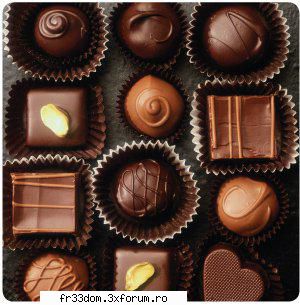
A box of assorted chocolates, often given as a gift. Holidays Concediu Chocolate is one of the most popular holiday gifts. On Valentine's Day , a box of chocolates is traditional, usually presented with flowers and a greeting card . It may be gifted on other holidays, including Christmas , Easter , Thanksgiving , and birthdays . At Easter, chocolate eggs are traditional. This is a confectionery made primarily of chocolate, and can either be solid, hollow, or filled with other sweets or fondant.
Books and film Chocolate has been the center of several successful book and film adaptations. In 1964, Roald Dahl published a children's novel titled Charlie and the Chocolate Factory . The novel centers on a poor boy named Charlie Bucket who takes a tour through the greatest chocolate factory in the world, owned by Willy Wonka . Two film adaptations of the novel were produced. The first was Willy Wonka & the Chocolate Factory , a 1971 film which later became a cult classic . Thirty-four years later, a second film adaptation was produced, titled Charlie and the Chocolate Factory . The 2005 film was very well received by critics [ 70 ] and was one of the highest grossing films that year, earning over US$470,000,000 worldwide. [ 71 ] Charlie and the Chocolate Factory was also recognized at the 78th Academy Awards , where it was nominated for Best Costume Design for Gabriella Pesucci. [ 72 ]
Like Water for Chocolate ( Como agua para chocolate ), a 1989 love story by novelist Laura Esquivel , was adapted to film in 1992. The plot incorporates magical realism with Mexican cuisine, and the title is a double entendre in its native language, referring both to a recipe for hot chocolate and to an idiom that is a metaphor for sexual arousal. The film earned 11 Ariel Awards from the Academia Mexicana de Artes y Ciencias Cinematográficas , including Best Picture.
Chocolat , a 1999 novel by Joanne Harris , tells the story of Vianne Rocher, a young mother, whose confections change the lives of the townspeople. The 2000 film adaptation, Chocolat , also proved successful, grossing over US$150,000,000 worldwide, [ 73 ] and receiving Academy Award and Golden Globe nominations for Best Picture , Best Actress , and Best Original Score. [ 74 ] [ 75 ]
_______________________________________
Everybody's looking for something
Some of them want to use you
Some of the them wanna get used by you
Some of them want to abuse you
Some of them want to be abused
|
|


 am creat acest topic pentru a putea discuta liber despre pasiunea noatra pentru ciocolata si de ce nu... si pentru inghetata!
 m-ai emotionat!
 Preferata mea este ce cu cafea sau cu cappucino

 Nu pot spune ca mananc ciocolata in prostie sau ca e preferata mea,fiindca nu e.Mananc alte feluri de dulciuri,dar totusi ciocolata e buna.Imi place mult ciocolata cu stafide si cea cu alune.In rest nu prea ma dau in vant.

 multi sunt dependenti




 ?]. Sincer mi se pare fascinant gustul de ciocolata dulce si alcool. Totusi urasc ciocolata cu menta. Este de-a dreptul dezgustatoare!
 E prea buna ca sa fie adevarata